Overview
What Greedwave is
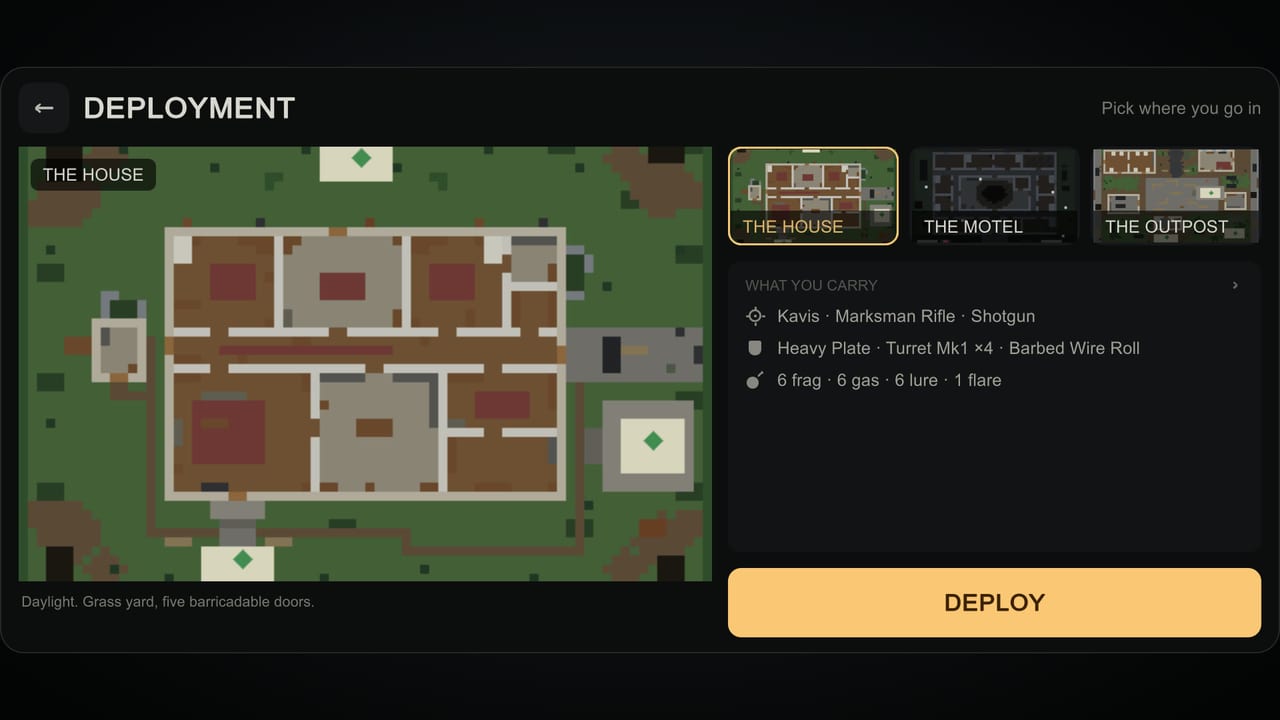
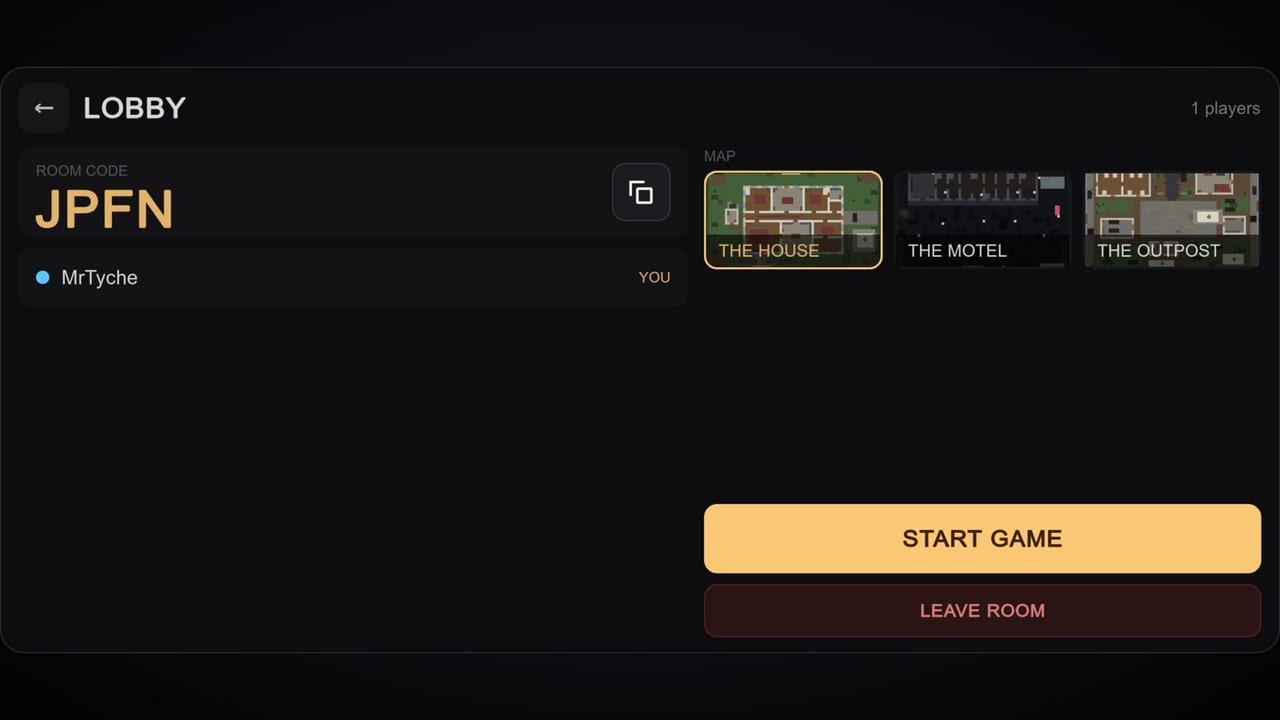
Pick one of three locations: a house, a roadside motel or a fallen quarantine post. Then hold it while the horde pushes in through the doors.
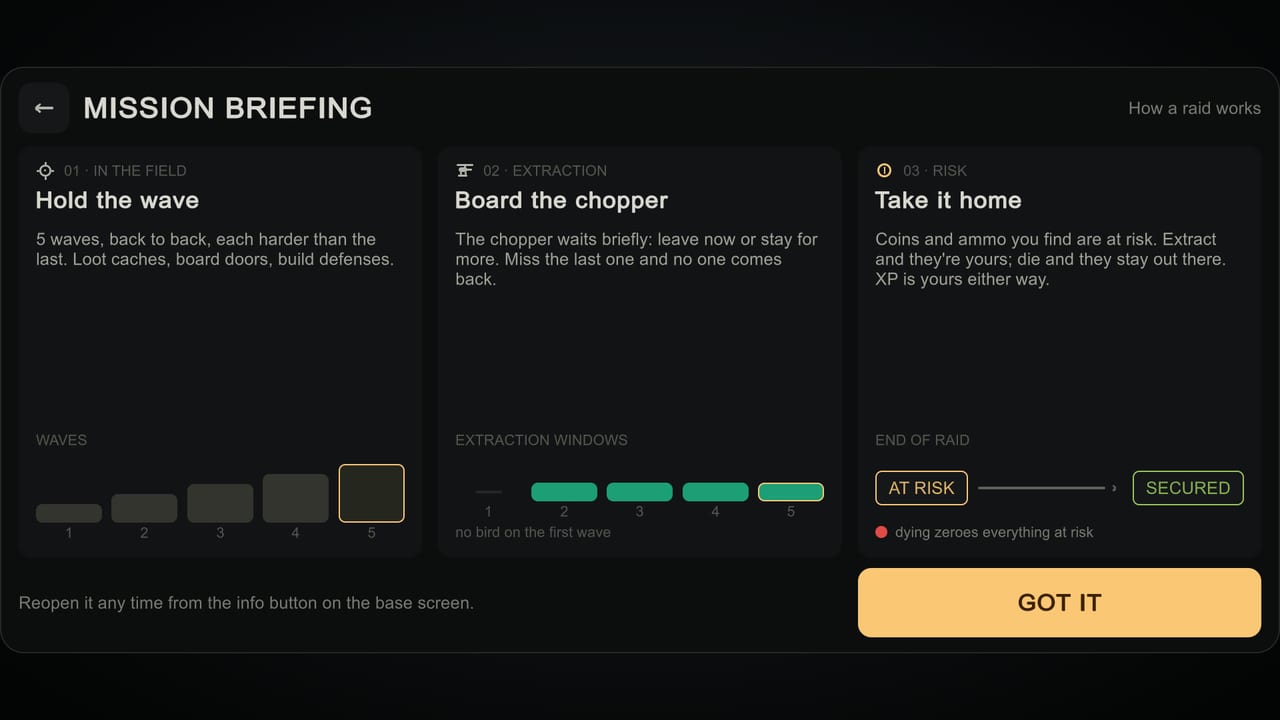
A run is five phases, each one heavier and meaner than the last. The helicopter comes back four times, and every landing asks the same question: are you done?
Core mechanic
The limiting resource is seconds, not boards
Boards are unlimited and one board already closes a door. Boarding the whole house up takes 14 seconds, the motel 28, and the horde is already walking in. So the real question is never whether you can close the doors. It is which one you close.
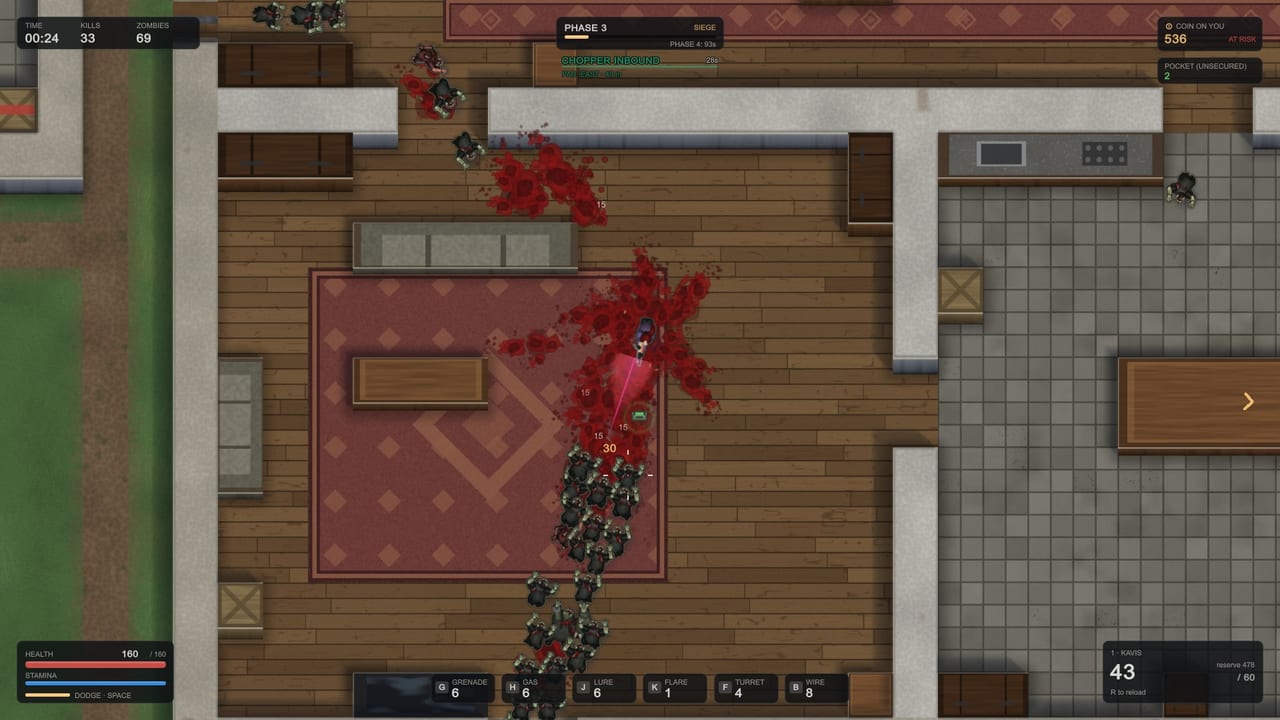
Outside the doors the answer is height. Anything up to waist level stops a body but not a bullet, so the car in the driveway and the sandbags in the yard are firing positions: the horde has to come around, you do not have to stop shooting. A crate or a hedge stops both.
Pathfinding
The horde decides whether the door is worth it
A barricade is not a wall, it is a price. A door boarded to full costs the horde about eleven seconds of chewing, so a way around that is shorter than that gets walked instead. Either way the barricade did its job: the door you board is the door the horde stops using.
And what gets weighed is damage, not bodies: one Brute counts like five Shamblers.
Enemies
Six silhouettes, read at a glance
Phase 1 is all Shamblers. That is where you learn the building. Runners join in phase 2 and spraying the crowd stops working. Brutes hit in phase 3, the Bloater and the Armored come together in phase 4, and the Colossus closes the run.
Elites climb each phase and cap at 26 percent of the horde. Past that they would eat all your ammo and stop feeling like events.
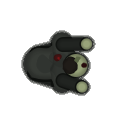 Shamblerthe baseline, phase 1 on
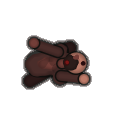 Runnercloses distance fast
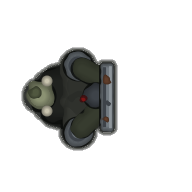 Armoredplated from the front
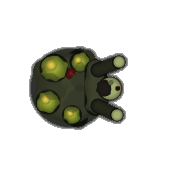 Bloaterbursts at close range
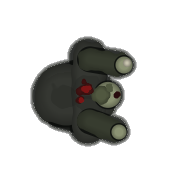 Bruteworth five at a barricade
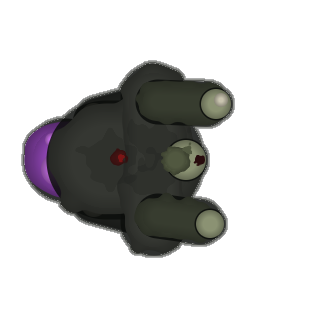 Colossusend-of-run boss
Loot
The pocket the HUD calls unsecured
Ammo drops match the weapon in your hands. Weapons land on the floor as a coloured piece you have to walk to. The colour is the tier, and every roll shifts upward each phase, so the best loot shows up at the worst time.
Crates roll better than floor drops, sealed crates best of all. But prying one open pulls seven zombies to exactly where you are kneeling. The better tier is not bought with coin. It is bought with the horde learning where you are.
Everything goes into the pocket, and the HUD calls it what it is: POCKET (UNSECURED). Your shop gear is never at risk. The risk is everything this raid gave you, and the longer you stay, the more leaving costs.
Risk
Coin is only yours once you extract
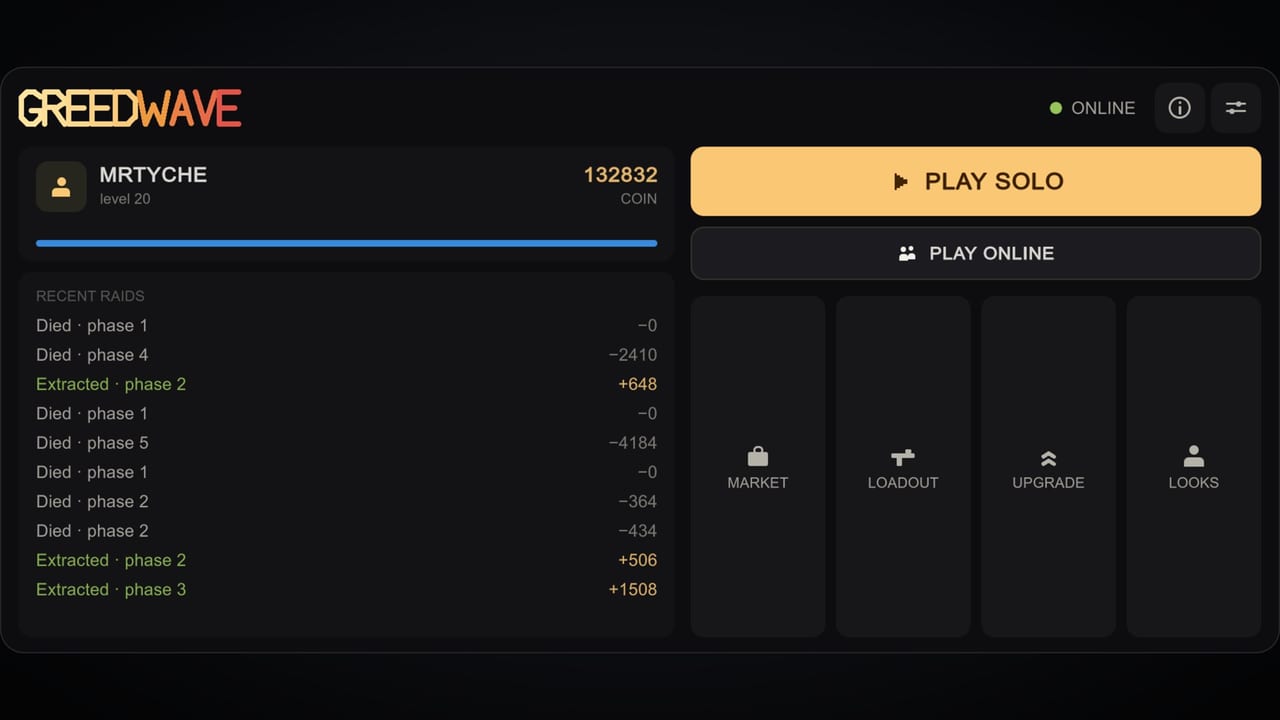
Coin you pick up sits in your pocket, not in the bank. Die and it is gone; extract and it is yours. XP you keep either way.
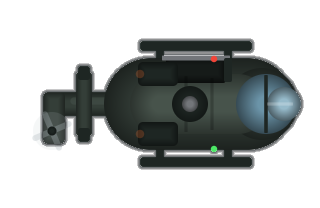
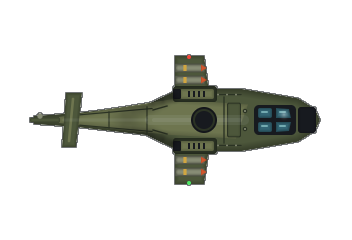
The helicopter lands four times a run. You do not pick the pad and you do not know which bird is coming: the unarmed transport or the gunship. The last window is always the gunship, and it is also the last way out.
Miss it and the raid stops being a fight: a siren, a bomber circling overhead, 45 seconds. You can still run and still shoot, but everything you were saving is going to burn.
Loadout
Four answers to four different problems
A barricade buys time, a turret buys firepower, a grenade reverses a position you already lost. Frag burns everything in reach, you included. Gas parks a cloud that keeps biting. Lure deals no damage at all. It just steals every zombie’s attention, and that is exactly why it costs the most.
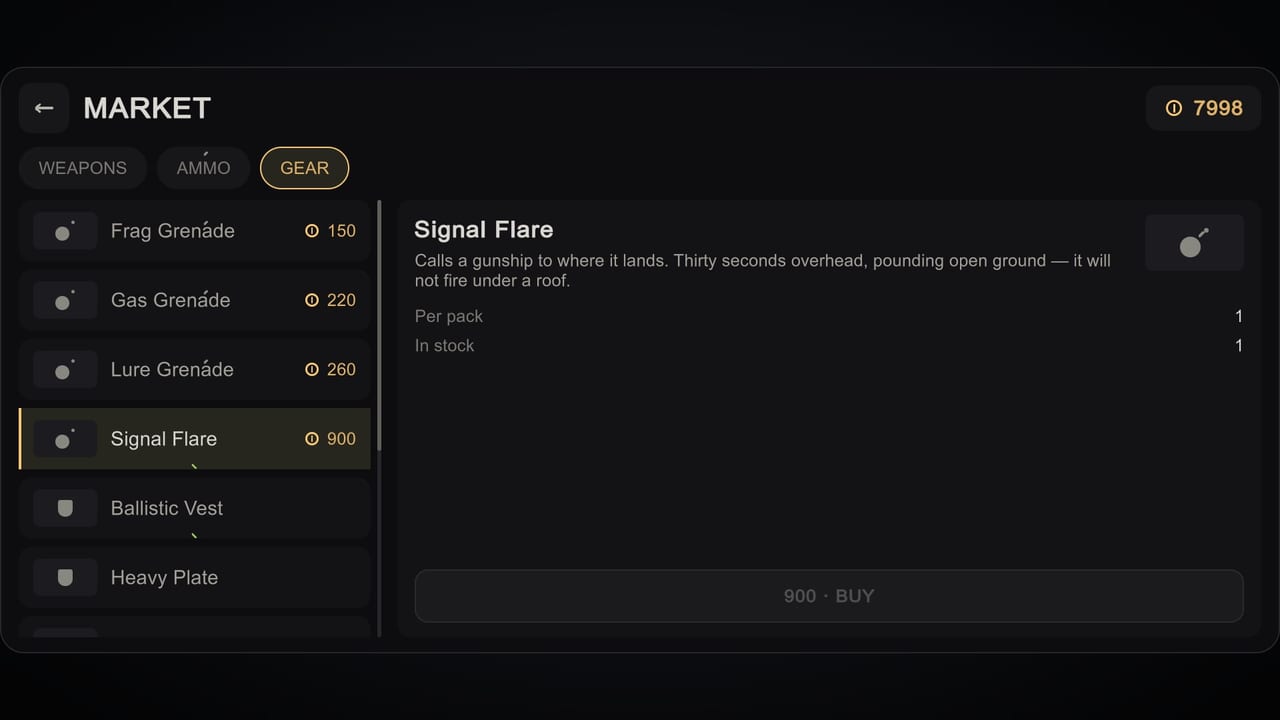
Then there is the signal flare, one per raid: a gunship on call, thirty seconds of rockets and strafing. It will not fire under a roof. Call it and then hide inside, and you just wasted the most expensive item in the shop.
All of it rides on weapons you buy and upgrade with coin you actually got out with, from a silenced pistol at one end to a minigun at the other.
 Pistol
 SMG
SMG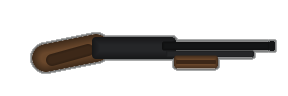 Shotgun
 Rifle
Rifle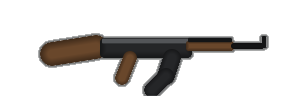 Kavis
Kavis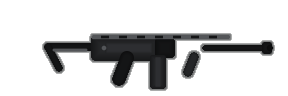 Kadans
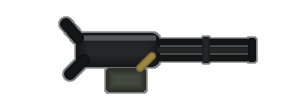 Minigun
Multiplayer
Co-op for up to four players
Everyone boards the helicopter on their own. One player extracting neither splits nor deletes anyone else’s coin.
What is on the floor is shared, though. A drop belongs to the room, not to whoever killed for it, and only one of you walks away with it. Deciding who takes it is your problem, not the game’s.
Platforms
Free, in your browser
The browser build is the full game: no download, no launcher, no store. A free account keeps your progress on the server, so a raid banked on the laptop is already there on the phone. iOS is in review preparation; Android comes after.
No ads, no tracking, no third-party SDKs. The account exists to hold your progress and nothing else.
In development
What is not built yet
This is a demo, and the edges are worth naming. The old signal design is retired. Also missing: a skill tree, banking a looted weapon at settlement, barricade repair, and the Android build.
Screenshots
Open a tab and play
No download, no launcher, no store. Just a free account and a tab.